Posts

Showing posts with the label TEXTILE

Used Clothes Recycling-How To Save High Cost Of Overseas Transport
Image
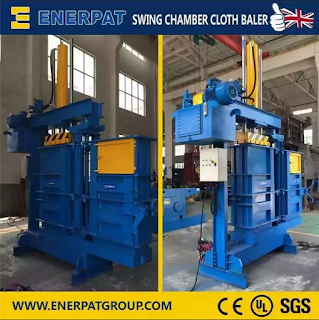
      Nowadays  , used clothes recycling is very popular .But the cost  for overseas transport is  expensive.  that will increase the cost. As everyone knows,  clothing profit is not high.      So how to reduce transport costs?   1.This needs to be reduced in volume. 2.And in the process of transport, you can ensure that the clothes are complete and clean appearance. so it needs to be neatly packed up.      An appropriate packing machine can be packed in very dense and neatly packed bags, allowing a 40 foot container to be loaded with more than 25 tons. So whether you choose an appropriate packaging function baler machine  to determine the success or failure of your old clothing business.      Basically there are two kinds of such baler machine - one room packer, and the other two boxes of packing machine. Now there are also weighing and packing machine. So a total of 3 kinds...
ENERPAT UK Textile Baler Machine Simple Introduction

Image
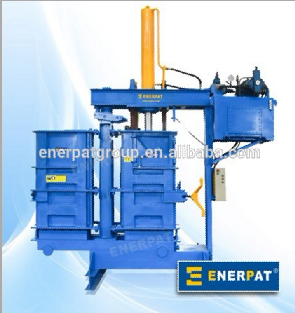
Textile Baler Machine  also named Used or second  hand  Compress Machine,used for compress textile metals into smaller pieces,also cotton, garments, fabric and soft material ... I believe all  Textile Baler Machine  have this kind machine,easy ,simple but big use! Today i want to introduce you ENERPAT  Textile Baler Machine ,100% high quality with CE certification: 1) Video Chips: This video can show you ENERPAT  Textile Baler Machine  working: 2) Machine Configuration: ● Close the feeding material gate,the baler auto working. ● With safety button on feeding material gate. ● Big feeding room ● Stable pressing with four pressing guide ● Safety locking door and two safety protection system ● Open the door,the electric will be shutted off. ● Automatic...

Cotton Recycling

Image
Cotton   can be   recycled   from pre-consumer (post-industrial) and post-consumer cotton waste. The ENERPAT Cotton Baler Machine Teach You How to Recycling Cotton Pre-consumer waste comes from any excess material produced during the production of   yarn , fabrics and textile products, e.g. selvage from weaving and fabric from factory cutting rooms. Post-consumer waste comes from discarded textile products, e.g. used apparel and home textiles. During the recycling process, the cotton waste is first sorted by type and color and then processed through stripping machines that first breaks the yarns and fabric into smaller pieces before pulling them apart into fiber. The mix is carded several times in order to clean and mix the fibers before they are spun into new yarns.